
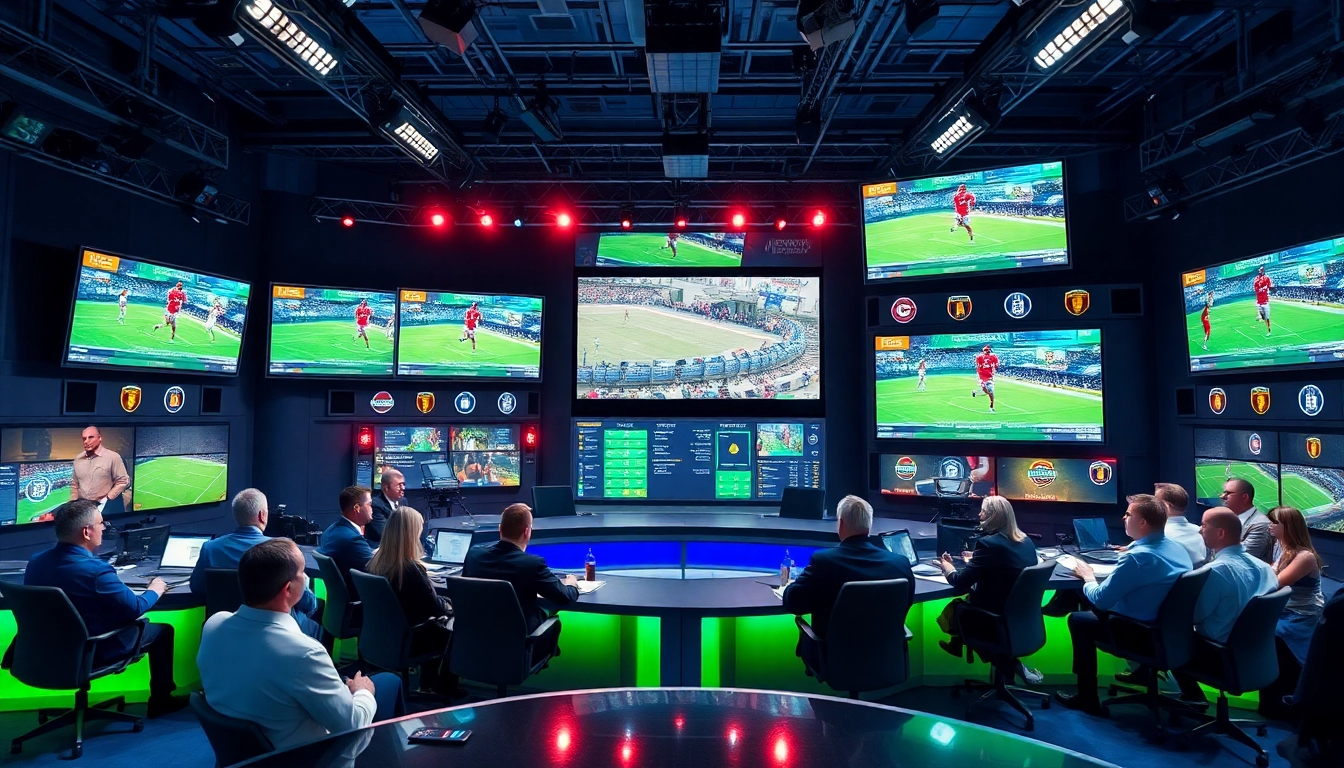
Understanding Sports Broadcasting
Defining Sports Broadcasting
Sports Broadcasting encompasses the distribution of sports content via various mediums, including television, radio, and digital platforms. It includes live events, commentary, interviews, analysis, and highlights, making it a cornerstone for sports fans seeking to connect with their favorite teams and athletes. The global reach and immense popularity of sports have made effective Sports Broadcasting a necessary component for leagues and broadcasters alike.
History and Evolution
The origins of sports broadcasting can be traced back to the early 20th century when radio played a pivotal role in transmitting sports events to the masses. The first live sports broadcast occurred in 1921, featuring a boxing match. With the advent of television in the 1950s, sports broadcasting expanded dramatically. Major events like the Super Bowl in America and the FIFA World Cup globally became fixtures on television schedules, captivating audiences.
As technology progressed, cable and satellite television emerged, further enhancing broadcasting capabilities with better quality and more channels dedicated to sports. The rise of the internet in the late 1990s and early 2000s transitioned sports from traditional broadcasting to online platforms, paving the way for streaming services that allow viewers to watch live sports on-demand from anywhere.
Types of Sports Broadcasting
Sports broadcasting can be categorized into numerous formats, including:
- Live Broadcasting: The real-time sharing of sporting events as they happen, providing immediate access to the action.
- Recorded Broadcasts: These consist of previously recorded games that are aired later, often with highlights or commentary added.
- News and Analysis Shows: Programs that discuss recent events, providing expert analysis, player interviews, and discussions on strategies.
- Documentaries and Features: In-depth storytelling focusing on specific teams, athletes, or sports history.
The Role of Technology in Sports Broadcasting
Innovative Broadcasting Tools
The landscape of sports broadcasting has transformed significantly with technological innovation. High-definition cameras, aerial drones, and multi-camera angles enhance the viewing experience, providing fans with angles and insights that were previously unavailable. Technologies like 360-degree video allow fans to immerse themselves in the action, offering unique perspectives.
Graphics and augmented graphics make analyses more engaging, showcasing statistics in a visually appealing format that enriches audiences’ understanding of the game. Technologies like EVS servers and graphics automation tools streamline live broadcasts, ensuring that the production can adapt fluidly to the event’s dynamics.
Streaming and Live Coverage
The emergence of streaming platforms has revolutionized how audiences consume sports content. Services such as OTT (Over-the-Top) have flourished, allowing viewers to enjoy live broadcasts at their convenience on various devices. This has led to changes in consumer behavior, with many opting for subscriptions over traditional cable packages.
Streaming also provides opportunities for targeted advertising and tailored content, enhancing monetization strategies for sports networks and leagues. The ability for users to watch their favorite teams through apps or online channels fosters a more personal connection to the sport, influencing how content is produced and marketed.
Augmented Reality in Sports
Augmented Reality (AR) has made significant strides in sports broadcasting, providing innovative ways to engage viewers. AR graphics can overlay statistical information, player comparisons, and essential game data onto the live broadcast. This technology captures the audience’s attention, making the viewing experience more immersive and interactive.
For example, during live games, AR enhances viewer understanding by visualizing player movements or simulating plays before they happen. This not only entertains but also educates audiences about gameplay dynamics, enriching their overall experience.
Key Challenges in Sports Broadcasting
Licensing and Rights Issues
One of the most significant challenges in sports broadcasting is navigating licensing and rights agreements. Securing broadcast rights for various leagues requires considerable financial investment, and renewing such deals can prove even more challenging due to the increasing demand for exclusive content.
As sports audiences grow, competition between broadcasters for these rights intensifies, often inflating costs. Failure to secure desired rights can limit a broadcaster’s ability to deliver comprehensive sports coverage, directly impacting viewer satisfaction and engagement.
Maintaining Viewer Engagement
Keeping viewers engaged is a perpetual challenge in sports broadcasting, especially in an age where attention spans have shortened. With numerous entertainment options available, broadcasters must continually innovate to keep viewers coming back. Strategies may include interactive features such as live polls during broadcasts or tailored content that aligns with viewer preferences.
Providing a seamless blend of entertainment and information is crucial, as today’s audiences expect both from their viewing experiences. Personalizing content based on viewing habits and history can enhance engagement and drive higher audience retention rates.
Adapting to Market Changes
The landscape of sports broadcasting is constantly evolving, influenced by shifts in consumer behavior, technology, and economic factors. As audiences gravitate toward mobile and on-demand content, broadcasters must adapt to these changes. Failing to do so may result in dwindling viewers and revenue.
Staying attuned to market trends, actively engaging with audiences on social media, and leveraging analytics to understand viewer preferences can provide insights necessary for effective adaptation and sustained success.
Best Practices for Successful Sports Broadcasting
Building an Engaging Broadcast Team
The heart of any successful sports broadcasting operation is its team. An engaging broadcast team should consist of commentators, analysts, and production staff who share a deep passion for the sport. Effective communication and chemistry among team members can significantly enhance viewer experience.
Training and skill development are essential for team members, ensuring they stay abreast of industry trends and best practices. Collaboration and brainstorming sessions can prompt creative ideas for content and presentation methods, fostering an environment conducive to success.
Developing Interactive Content
Interactive content has become increasingly vital in engaging viewers. This can include fantasy sports integration, where viewers can create their own teams, or real-time betting options that enhance involvement during live events. Features such as live chats, social media interaction, and polls allow viewers to participate actively in the broadcast, fostering community and loyalty.
Moreover, utilizing gamification strategies can enhance viewer enjoyment, culminating in a more immersive experience that encourages fans to stay engaged throughout broadcasts.
Utilizing Social Media Effectively
Social media plays a crucial role in promoting sports broadcasts and engaging with audiences. Broadcasters should leverage platforms like Twitter, Facebook, and Instagram to share highlights, behind-the-scenes content, and updates. Real-time interactions during live events can also cultivate a sense of community among fans.
Promoting upcoming broadcasts through teasers and interactive campaigns can entice viewers to share and discuss content, amplifying reach and engagement. Encouraging audience participation, such as fan polls or shout-outs during broadcasts, creates a more immersive experience that resonates with viewers.
The Future of Sports Broadcasting
Trends Shaping the Industry
As the sports broadcasting landscape continues to evolve, several trends are emerging that will shape its future. For instance, the integration of virtual reality (VR) will provide fans with unparalleled access to games, allowing them to experience events as if they were present in the stadium. Enhanced data analytics will further refine viewer experiences by providing tailored content based on preferences.
Additionally, increasing investment in women’s sports and niche segments appeals to diverse audiences, driving further growth in broadcasting options tailored to various viewer demographics.
Sustainability in Broadcasting
With an increasing emphasis on environmental responsibility, sustainability in sports broadcasting has become a topic of discussion. Broadcasters are exploring ways to reduce their carbon footprint through efficient production practices, minimizing waste, and utilizing energy-efficient technology.
Sponsors and partners are also prioritizing sustainability, affecting licensing agreements and content creation. Broadcasters can lead by example, using their platforms to advocate positive environmental practices that resonate with increasingly eco-conscious audiences.
Impact of AI and Data Analytics
The application of artificial intelligence (AI) and data analytics is set to revolutionize sports broadcasting. AI can automate processes such as highlights creation or match analysis, allowing broadcasters to provide timely and relevant updates during games. Personalization tools driven by data analytics enable broadcasters to tailor experiences based on viewer preferences, thus enriching content delivery.
AI technologies can also enhance viewer engagement through chatbots and virtual assistants that interact with audiences in real-time, providing quick answers to queries and enriching the viewing experience.
Frequently Asked Questions
What is Sports Broadcasting?
Sports broadcasting refers to the transmission of sporting events via television, radio, or online platforms, including commentary and analysis.
How has technology impacted Sports Broadcasting?
Technology has revolutionized sports broadcasting through high-definition visuals, live streaming, and advanced analytics, enhancing viewer experience.
What are common challenges in Sports Broadcasting?
Challenges include licensing rights, viewer engagement, and adapting to rapid changes in technology and consumer preferences.
What practices enhance Sports Broadcasting?
Best practices include effective team dynamics, innovative content creation, and strong social media engagement to captivate the audience.
What is the future of Sports Broadcasting?
The future involves trends like increased interactivity, use of AI, and a focus on sustainability, shaping a more responsive viewer experience.